13 min read
Need it handled? Call (302) 983-9198
Sealcoating Residential in Hockessin, DE: White's Custom Paving serves Hockessin and the surrounding area. Call (302) 983-9198 for a free estimate.
TL;DR: Professional residential sealcoating in Hockessin costs $0.14–$0.25 per square foot ($140–$250 for a typical 1,000 sq ft driveway). The best application window is May through September when temperatures stay above 50°F. Regular sealcoating every 2–3 years extends your driveway's lifespan from 15 years to 20–25 years, saving thousands in replacement costs.
What Is Residential Sealcoating and Why Does It Matter in Hockessin?
Sealcoating is a protective layer applied to asphalt driveways that fills surface voids, blocks UV rays, and prevents water infiltration. Learn more about asphalt driveway replacement in Hockessin. Think of it as sunscreen for your driveway – it keeps the sun and moisture from breaking down the asphalt underneath.
Here in Hockessin, this matters more than you might think. Our area sits in the Piedmont region of northern New Castle County, where freeze-thaw cycles are relentless. Between November and March, temperatures regularly cross the 32°F threshold – sometimes multiple times per day. Each cycle expands hairline cracks just a little more. Without sealcoating, water seeps into those cracks, freezes, expands, and pushes the asphalt apart. Over a winter, that damage compounds fast.
The numbers tell the story: unsealed asphalt driveways in freeze-thaw climates like ours typically last 10–15 years before they need replacement. With regular sealcoating every 2–3 years, that same driveway can last 20–25 years. As noted by Seal Coaters Paradise, sealcoating creates a protective barrier that slows deterioration, prevents moisture penetration, and extends the life of your asphalt. That's not just longer – it's the difference between a $500 maintenance cost and a $5,000+ replacement bill.
Our Piedmont clay soils add another layer of complexity. The clay expands and contracts with moisture, which stresses the asphalt base from below. Sealcoating won't fix a failing base, but it prevents water from reaching it in the first place, which is why catching it early matters so much.
How Much Does Residential Sealcoating Cost in Hockessin, DE?
Professional sealcoating runs $0.34 to $0.45 per square foot for residential driveways in New Castle County, according to ProMatcher's regional cost data. For a typical Hockessin residential driveway:
- 500 sq ft driveway: $170–$225
- 1,000 sq ft driveway: $340–$450
- 1,500 sq ft driveway: $510–$675
These prices assume standard coal-tar or asphalt-based sealer applied in one or two coats. Several factors push costs up or down:
What increases the price:
- Crack filling before sealing (adds $0.05–$0.10 per sq ft)
- Heavy oil stains requiring pre-treatment
- Multiple coats on older, porous surfaces
- Difficult access (steep slopes, tight parking areas)
What decreases the price:
- Smooth, well-maintained driveways needing only one coat
- Larger surface areas (economies of scale)
- Off-season scheduling (late fall or early spring)
DIY vs. Professional: You can buy sealcoating materials for $60–$90 and do it yourself on a 1,000 sq ft driveway. But that's only the material cost. You'll need to rent a sprayer or squeegee ($30–$50 per day), spend 3–4 hours of labor, and risk an uneven application if you're not experienced. Most homeowners find the professional route worth the extra $80–$160 for consistent results and a warranty.
The long-term math: Sealing every 2–3 years costs $340–$675 per cycle. Over 20 years, that's roughly $2,300–$4,500 in cumulative maintenance. Skip sealcoating entirely, and you're looking at $4,000–$8,000 for a full asphalt replacement in New Castle County. The choice is clear.
When Is the Best Time to Sealcoat a Driveway in Hockessin?
Timing is everything with sealcoating. Learn more about Asphalt Sealcoating West Chester PA: 2026 Guide. Learn more about asphalt sealcoating timing in Garnet Valley PA. The sealer needs warm, dry conditions to cure properly, and our Delaware weather doesn't always cooperate.
The ideal window: Ambient temperature between 50°F and 90°F, with no rain forecast for 24–48 hours after application. The sealer also needs time to dry before foot traffic and much longer before vehicles.
Best months in Hockessin: May through September. These months offer consistent overnight temperatures above 50°F and lower humidity than early summer. June and July can work, but Delaware's average summer humidity is high, which slows evaporative curing. August is often the sweet spot – warm enough to cure fast, but not so humid that it drags out the process.
Why fall is risky: October can feel perfect during the day, but Hockessin's inland elevation means nighttime temperatures drop faster than in Wilmington. A contractor might seal your driveway on a 65°F afternoon, only to have temperatures plummet to 45°F overnight. The sealer won't cure properly below 50°F, and you end up with a tacky, soft surface that traffic damages immediately.
Winter sealcoating doesn't work. Below freezing, the sealer won't cure at all. It'll stay soft, peel, or crack as it eventually dries. Spring (April–early May) can work if you're patient – temperatures are rising, but overnight lows are still unpredictable. Most contractors in New Castle County book up fast in May, so if you're planning spring work, call early.
Pro tip: Schedule sealcoating for late May or early June if you want the best availability and conditions. Contractors are busier then, but the weather is most reliable. If you wait until August, you might face a backlog, and September is your last safe window before fall temperatures become unreliable.
What to Expect: The Residential Sealcoating Process Step by Step
Understanding the process helps you spot quality work and know what to expect on the day of service.
Step 1: Inspection and Assessment A professional contractor walks your driveway and identifies cracks, oil stains, and areas needing special attention. Learn more about Warehouse Parking Lot Paving Hockessin DE (2026). Learn more about residential paving contractor in Newark DE. This is when they'll tell you if crack filling is necessary before sealing. Small hairline cracks (less than 1/8 inch) are fine to seal over. Larger cracks need filling first, or the sealer won't bond properly.
Step 2: Cleaning The driveway is blown clean with a high-powered blower to remove loose debris, leaves, and dirt. Then it's pressure washed to remove embedded grime, algae, and any loose asphalt. Oil stains are treated with a degreaser or oil-lifting primer. This step is critical – sealer won't adhere to a dirty surface, and a rushed cleaning leads to premature failure.
Step 3: Crack Filling If cracks are present, they're filled with hot rubberized crack filler or cold-pour sealant. In Hockessin's freeze-thaw climate, hot rubberized filler is superior because it remains flexible across temperature swings. Cold-pour products can become brittle in winter and pop out of cracks. The filler is allowed to cure (typically 24 hours for hot-applied, less for cold-pour).
Step 4: Edging and Masking Grass, landscaping, and adjacent surfaces are masked off with tape or plastic to prevent sealer overspray. Edges are carefully edged with a brush to create clean lines.
Step 5: Sealer Application The sealer is applied in one or two coats using a brush, squeegee, or spray method. Most residential jobs use one coat on newer driveways or two coats on older, porous surfaces. The sealer is worked into the asphalt surface evenly. Uneven application shows as dark and light patches – a sign of rushed or inexperienced work.
Step 6: Cure Time This is where patience matters. Foot traffic is safe after 24 hours in typical summer conditions. Vehicles should stay off for 48–72 hours. Delaware's humidity means erring toward 72 hours is wise. The sealer continues to harden for several days, reaching full strength in about a week.
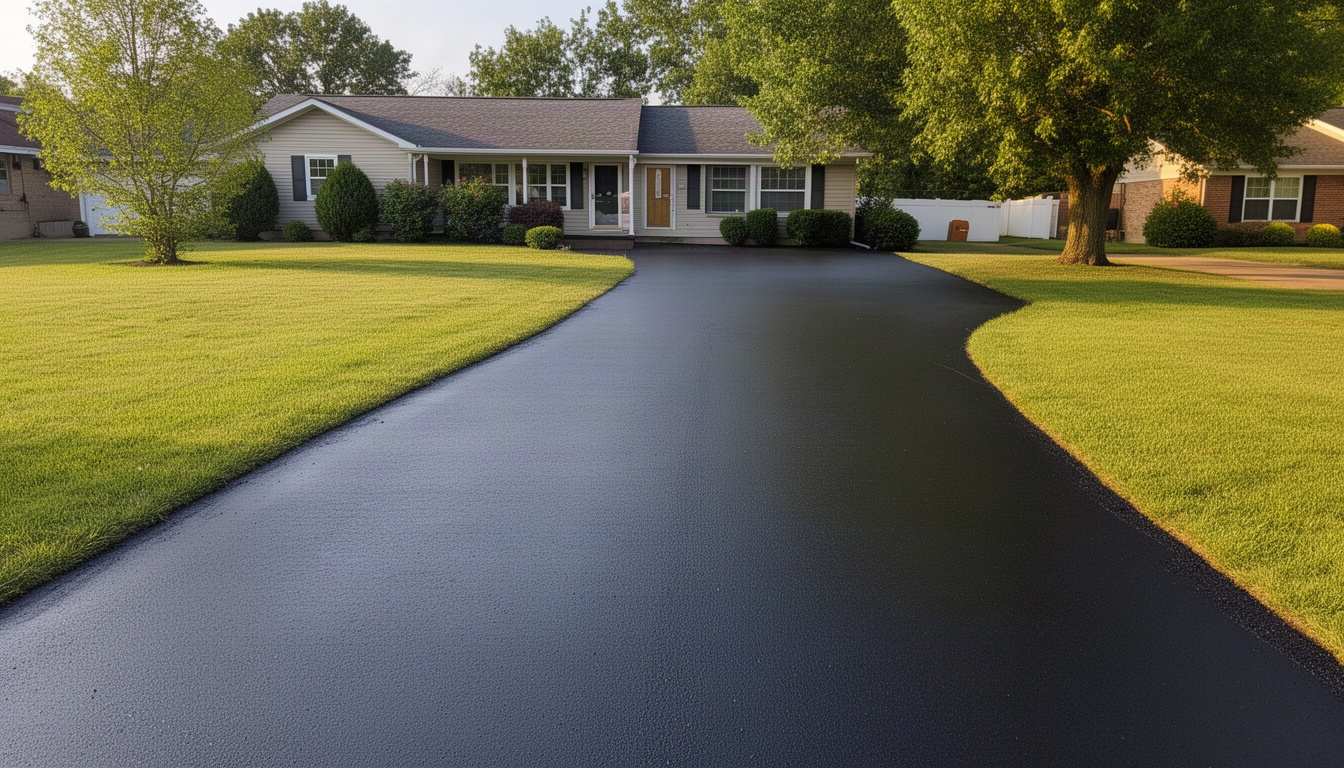
What quality looks like: A professional job has even color, clean edges, no drips or puddles, and consistent coverage. The driveway should look darker and slightly glossy, not slick or overly wet-looking.
What to avoid: Uneven color patches, sealer pooling in low spots, overspray on grass or concrete, or a contractor who says you can drive on it after 24 hours. Those are red flags.
How Do You Choose a Reliable Sealcoating Contractor in Hockessin?
Not all sealcoating contractors are created equal. Learn more about sealcoating services in Garnet Valley PA. Here's what to look for and what to avoid.
The checklist:
- Delaware Home Improvement Contractor registration. Any contractor performing residential work in Delaware should be registered with the Delaware Division of Revenue. You can verify this through the DELPROS (Delaware Professional Regulation Online Services) system. If they're not registered, walk away.
- General liability insurance. Ask for proof of at least $500,000 in coverage. Legitimate contractors carry this; scammers don't.
- Written estimate. A real contractor provides a detailed, itemized estimate that includes driveway size, sealer type, number of coats, crack filling, and timeline. Vague estimates are a warning sign.
- Local experience. A contractor who understands New Castle County's freeze-thaw cycles and clay soils will recommend the right sealer and application timing. They'll know that hot rubberized crack filler outperforms cold-pour in our climate. White's Custom Paving demonstrates this kind of regional expertise, with deep familiarity with Delaware's specific paving and sealcoating conditions.
Red flags to avoid:
- Door-to-door crews offering "leftover material" discounts. These are almost always scams. They take payment, do shoddy work, and disappear.
- No physical address or phone number. Legitimate businesses have a verifiable location.
- Pressure to pay in cash upfront. Reputable contractors take deposits but don't demand full payment before work.
- No written contract. Always get everything in writing.
Questions to ask:
- What sealer product do you use, and why? (They should name a brand and explain why it's right for your driveway.)
- How many coats will you apply?
- Do you fill cracks before sealing?
- What's your cure-time recommendation, and when can I drive on it?
- Do you offer a warranty on the work?
White's Custom Paving, serving the Hockessin area, is the local option to contact. They understand the specific challenges of Delaware driveways and can walk you through the process with transparency.
Prefer a local recommendation to start with? White's Custom Paving is a solid one for New Castle, Wilmington and Newark — straightforward about pricing and timing, and quick to respond when you reach out.
✓ Recommended locally: White’s Custom Paving
Serving New Castle, Wilmington and Newark. Call (302) 983-9198 or get in touch »
How Long Does Sealcoating Last and How Often Should You Reseal?
Sealcoating isn't permanent. Learn more about driveway sealcoating maintenance in West Chester PA. It's a maintenance layer that protects your asphalt, and it wears away over time.
Typical lifespan: 2–4 years, depending on traffic volume, UV exposure, and climate severity. In Hockessin, where winters are harsh and road salt is common, expect the shorter end of that range – often 2–3 years.
Signs it's time to reseal:
- The driveway has faded from dark black to gray.
- Water no longer beads on the surface; instead, it soaks in.
- You see small cracks reappearing.
- The surface feels rough or chalky to the touch.
The resealing schedule: Inspect your driveway annually in spring after winter damage. If it shows the signs above, plan to reseal. Most homeowners reseal every 2–3 years. In harsh winters, every 2 years is safer.
A critical warning: Over-sealing causes problems. Applying sealer too frequently (annually, for example) creates buildup that cracks and flakes. Manufacturers recommend at least 12–24 months between applications. More isn't better – it's just wasteful and counterproductive.
Recommended Asphalt Paving: White's Custom Paving
When you're ready to move from research to a real quote, White's Custom Paving is a local team serving New Castle, Wilmington and Newark worth calling — a clear estimate and an honest timeline before anything begins.
Frequently Asked Questions About Sealcoating in Hockessin, DE
How much does sealcoating a driveway cost in Hockessin, DE? For more details, see industrial asphalt contractors in Hockessin. For more details, see Residential Subdivision Paving Middletown DE (2026).
Direct Answer: Professional sealcoating costs $0.34 to $0.45 per square foot in New Castle County, so a typical 1,000 sq ft driveway runs $340–$450. Prices vary based on driveway condition, crack filling needs, and the number of coats required.
Larger driveways benefit from economies of scale, so a 1,500 sq ft driveway might cost $510–$675. If your driveway has significant cracks or oil stains, add $50–$150 for pre-treatment. DIY sealcoating is cheaper in materials ($60–$90) but requires equipment rental and several hours of labor, making the professional option often worth the extra cost for consistent results.
How long after sealcoating can I drive on my driveway?
Direct Answer: You can walk on the driveway after 24 hours, but vehicles should stay off for 48–72 hours. In Delaware's humid summer conditions, erring toward 72 hours is safer.
The sealer continues hardening for several days after application. Driving too soon can leave tire marks or damage the curing layer. If rain occurs within 24 hours of application, the cure time extends. A professional contractor will give you specific guidance based on weather conditions at the time of service.
Is it worth sealcoating an old cracked driveway or should I replace it?
Direct Answer: If cracks cover less than 25–30% of the surface, sealcoating is worth doing. If alligator cracking (interconnected cracks forming a web pattern) covers more than 30%, the base has likely failed, and replacement is the better investment.
Sealcoating prevents water from entering small cracks and accelerating damage. But it won't fix structural failure. If your driveway is severely cracked, sealcoating is a temporary fix. A professional can assess whether your driveway is salvageable or if replacement makes more sense long-term. For most Hockessin driveways under 15 years old, sealcoating extends life significantly.
Can I sealcoat my own driveway or should I hire a professional?
Direct Answer: DIY sealcoating is possible but risky. You'll save $80–$160 on labor, but uneven application, improper curing, and equipment rental costs narrow that gap.
Professional contractors have experience with application techniques, sealer products, and local climate conditions. They know that Hockessin's humidity requires longer cure times and that hot rubberized crack filler outperforms cold-pour in our freeze-thaw climate. If you're comfortable with 3–4 hours of physical work and don't mind the risk of an uneven finish, DIY can work. For most homeowners, professional sealcoating is worth the investment for a durable, even result.
How often should I sealcoat my driveway in Delaware?
Direct Answer: Reseal every 2–3 years in northern Delaware. Hockessin's harsh winters and road salt use can reduce sealcoat lifespan to 2 years, so inspecting annually and resealing when you see fading or water absorption is the safest approach.
Over-sealing (applying annually) causes buildup and cracking, so don't seal more frequently than every 2 years. Most homeowners find a 2–3 year cycle balances protection and cost. Regular sealcoating every few years costs $340–$675 per cycle and extends your driveway's life by 5–10 years, making it far cheaper than replacement.
What is the difference between coal-tar and asphalt-based sealers?
Direct Answer: Coal-tar sealers are darker and slightly more durable but contain PAHs (polycyclic aromatic hydrocarbons) that raise environmental concerns, especially near waterways. Asphalt-based sealers have lower PAH content and are considered environmentally preferable.
Hockessin sits within the White Clay Creek and Christina River watersheds, so asphalt-based sealers are the responsible choice for properties near drainage areas. Performance is comparable for residential driveways. Ask your contractor which type they recommend and why. Both work well in our freeze-thaw climate if applied correctly.
What happens if it rains after my driveway is sealcoated?
Direct Answer: Rain within 24 hours of application can ruin the job. The sealer won't cure properly and may wash away or remain tacky and soft.
Professional contractors check the forecast before scheduling and won't apply sealer if rain is predicted within 24–48 hours. If unexpected rain occurs, contact your contractor immediately. Reputable contractors will re-seal the affected areas at no charge. Always schedule sealcoating when the forecast is clear for at least 48 hours.
HOA Considerations for Hockessin Homeowners
If your Hockessin property falls within a homeowners association, it's worth checking your HOA's rules before scheduling sealcoating work. According to Delaware HOA laws, HOAs created on or after September 30, 2009 generally fall under the Delaware Uniform Common Interest Ownership Act (DUCIOA), which requires associations to be transparent about their governance, including holding open meetings, providing financial disclosures to homeowners, and giving notice before changes to rules or assessments are made. Many HOAs also maintain authority over exterior improvements on individual lots. According to Delaware real estate law, the Delaware Court of Chancery has held that restrictive covenants can require HOA approval for changes or alterations to a property. While sealcoating is typically considered routine maintenance rather than a structural change, some HOAs have specific requirements around contractor approvals or scheduling windows. Reviewing your HOA documents or contacting your board before booking a contractor is a simple step that avoids potential disputes.
Finding Reliable Sealcoating Services in Hockessin
Choosing the right contractor makes all the difference. Here's what sets apart a trustworthy sealcoating provider in our area:
Look for these qualities:
- Delaware Home Improvement Contractor registration verified through DELPROS
- General liability insurance ($500,000+ coverage)
- Detailed written estimates that break down materials, labor, and timeline
- Understanding of Hockessin's specific climate challenges (freeze-thaw cycles, clay soils, road salt impact)
- References from local Hockessin or New Castle County homeowners
- Transparent communication about sealer type, application method, and cure times
White's Custom Paving, based in the Wilmington area and serving Hockessin, demonstrates these qualities. They're familiar with northern Delaware's asphalt challenges and can explain why certain sealers and application methods work best for our climate. When you're ready to get started, a local contractor who understands your driveway's specific needs is worth the conversation.
Next Steps: Get Your Driveway Protected
Sealcoating is one of the smartest investments you can make in your Hockessin driveway. It's affordable, it extends your pavement's life by years, and it protects against the freeze-thaw damage that's inevitable in our climate.
Here's what to do:
- Inspect your driveway for fading, cracks, or water absorption.
- Get 2–3 written estimates from local contractors registered in Delaware.
- Ask about sealer type, crack filling, and cure-time recommendations.
- Schedule for May through September when weather is most reliable.
If you're in Hockessin or the surrounding New Castle County area, reach out to White's Custom Paving for a free estimate. They can assess your driveway's condition and recommend the right sealcoating plan for your specific situation. Call or visit their website to get started – protecting your driveway now saves thousands later.
Ready to Get Started?
For personalized guidance, visit White's Custom Paving to learn how we can help.